Every message gets tested eventually. The only question is when. Skip it before launch, and the first real test happens on launch day, in front of buyers, when changing anything is slow and public.
A few days of testing beforehand shows whether people understand the product, which words stick and which claims they doubt. Which test you run depends on how much traffic and time you have.
Why your team can't judge its own copy
Read your own homepage and it makes perfect sense. Of course it does: you already know what the product does. Your team fills in the gaps without noticing, so it can't judge whether a message is clear. Testing with your target audience catches that before launch.
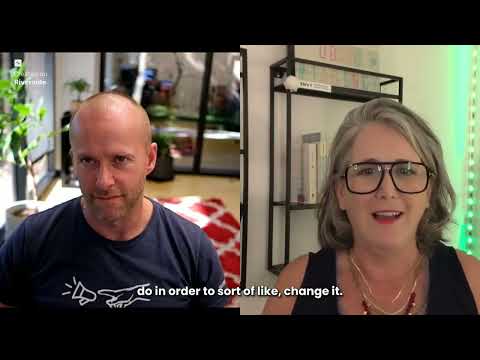 Play video: Why isn't everyone testing their messaging? Peep Laja of Wynter
Four ways to test, and when each fits
Pick by what you need to learn:
| Method | What it tells you | What it needs | Use it when |
|---|---|---|---|
| Qualitative message test | Why copy works or fails: clarity, relevance, value, difference | A panel of about 12 to 13 people from your audience | Before launch, especially in B2B |
| Five-second test | What people notice and remember at first glance | A screenshot and a small panel | Checking a homepage or ad |
| A/B test | Which version converts better | Enough traffic, often 500+ conversions a month | After launch, on high-traffic pages |
| Interviews and sales feedback | How real buyers react in context | Access to customers and the sales team | All the time |
Sources: Nielsen Norman Group, Kuric et al. 2023.
The fine print:
- Qualitative tests explain why. For a typical qualitative usability study of one user group, Nielsen Norman Group recommends five participants to uncover most common problems1. Message tests work on similar logic: a small panel of the right people tells you why a message lands or doesn't, while an A/B test needs far more traffic and still can't tell you why.
- Five-second tests check first impressions. Show a design for five seconds, then ask people to describe what they saw2. A 2023 peer-reviewed study showed web pages for 2, 5 or 10 seconds and found that people who saw complex pages too briefly struggled to say what the page was for, so match the exposure to the page3.
- Positioning reviews don't stop at launch. April Dunford held a standing positioning check-in about every six months with sales, product and the CEO, to ask what had changed among competitors4.
Common traps
- Testing on coworkers. They already know what the product does, so they can't tell you whether the page explains it.
- Running an A/B test on a page with little traffic. You'll wait months for a result you can't trust.
- Testing a headline without saying who should read it. The right panel matters more than the method, because a clear message for the wrong reader still fails.
In an interview
"How would you know the messaging works?" The reflex answer is "A/B test it," which often won't work on a low-traffic B2B site. Name a method that fits the situation instead: a qualitative test before launch, then conversion and win rates after.
Self-check: Your team loves a clever headline, but in a message test, most of your target readers can't say what the product does. What do you do?
Side with the readers. Rewrite the headline in plain words that say what the product does and for whom, then test it again. The team already knows the answer, so it can't judge whether the headline is clear.